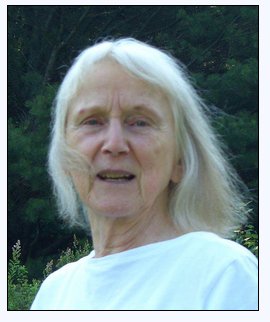
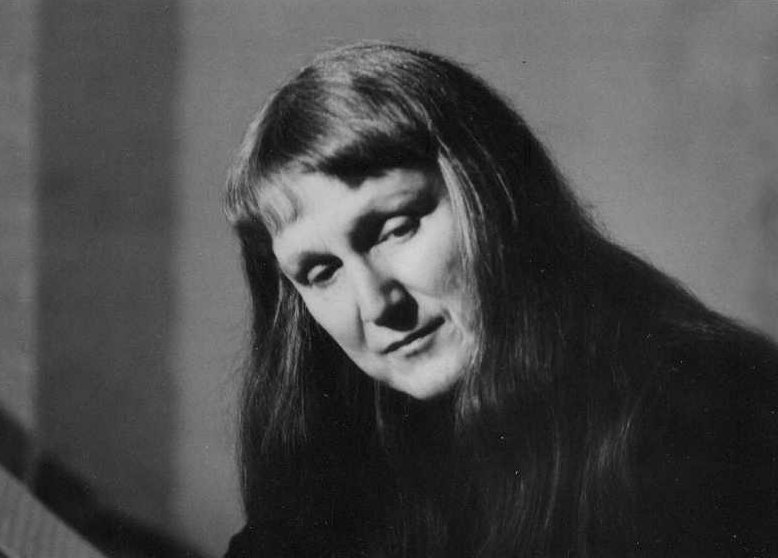
 Marga Richter was born on October 21, 1926 in Reedsburg, Wisconsin, and
received her early musical training in Minneapolis, Minnesota. She earned
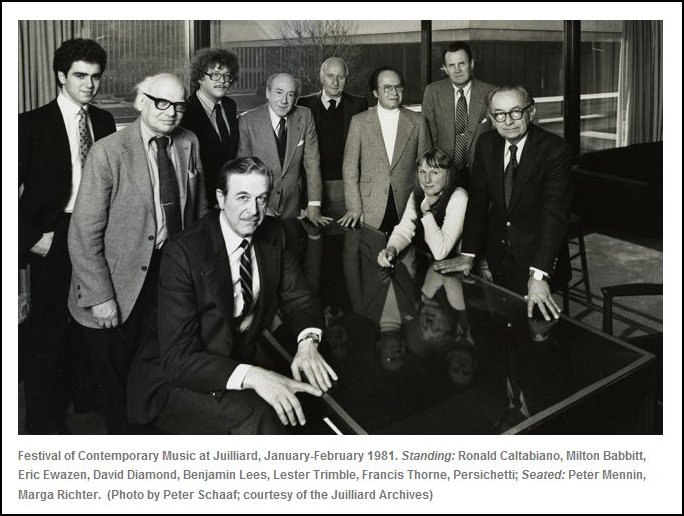
her Bachelors and Masters Degrees from the Juilliard School, where she majored
in piano with Rosalyn Tureck, and composition with William Bergsma and Vincent Persichetti.
Her music has been played by more than fifty orchestras, including the Atlanta
and Milwaukee Symphonies, the Minnesota Orchestra and the Buffalo Philharmonic,
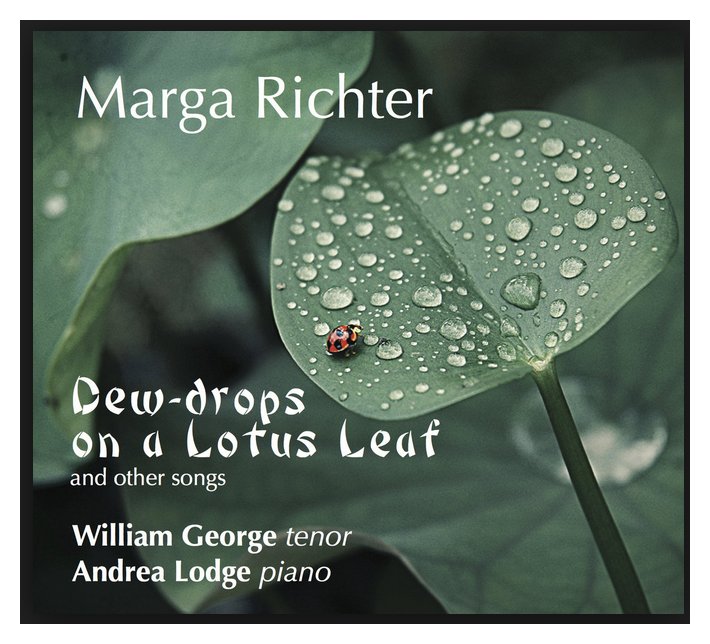
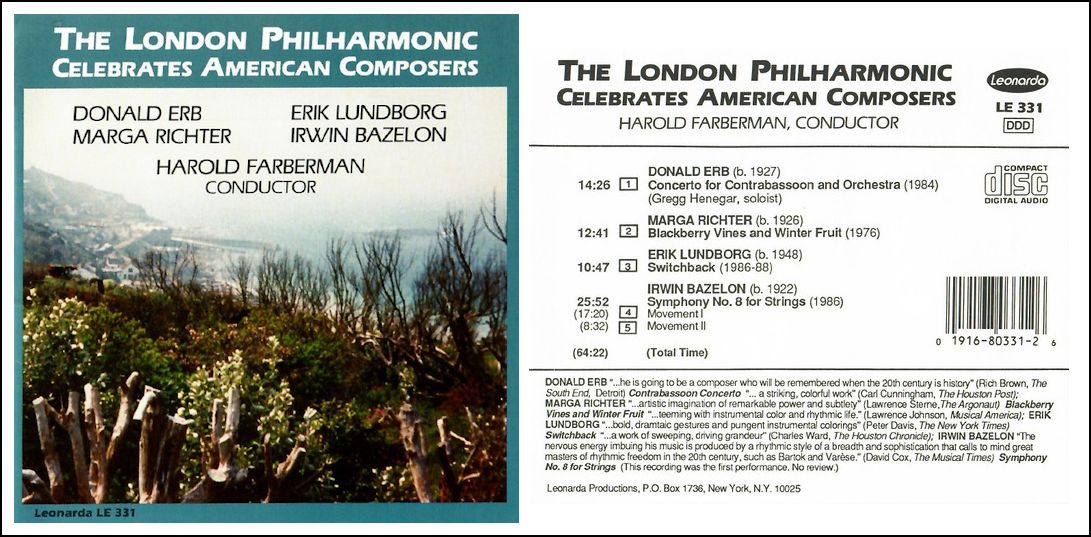
and recorded by the London Philharmonic Orchestra (Blackberry Vines and
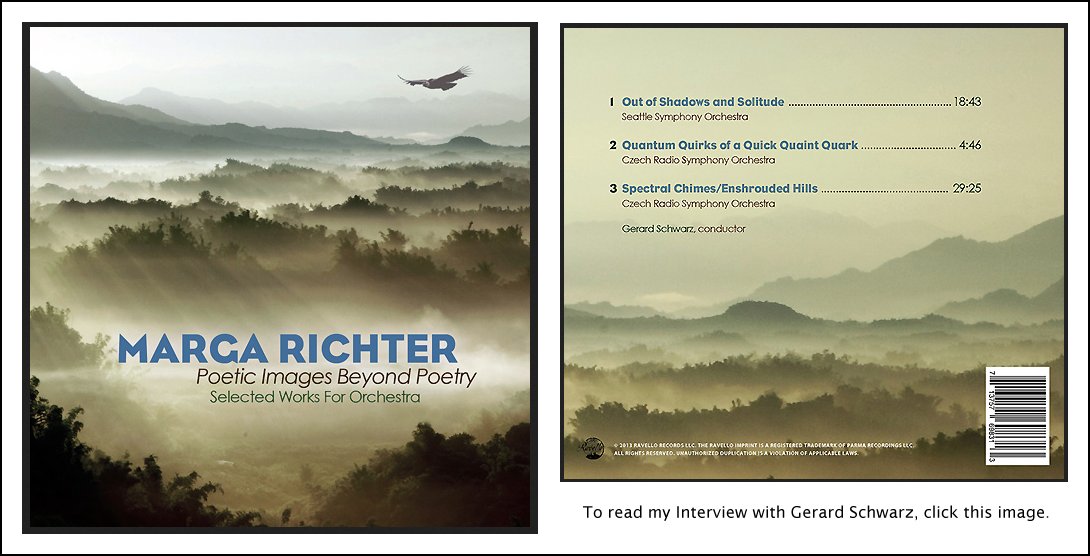
Winter Fruit, Leonarda LE331), the Seattle Symphony (Out of Shadows
and Solitude, MMC-Master Musicians Collective), and the Czech Radio Symphony
Orchestra (Spectral Chimes/Enshrouded
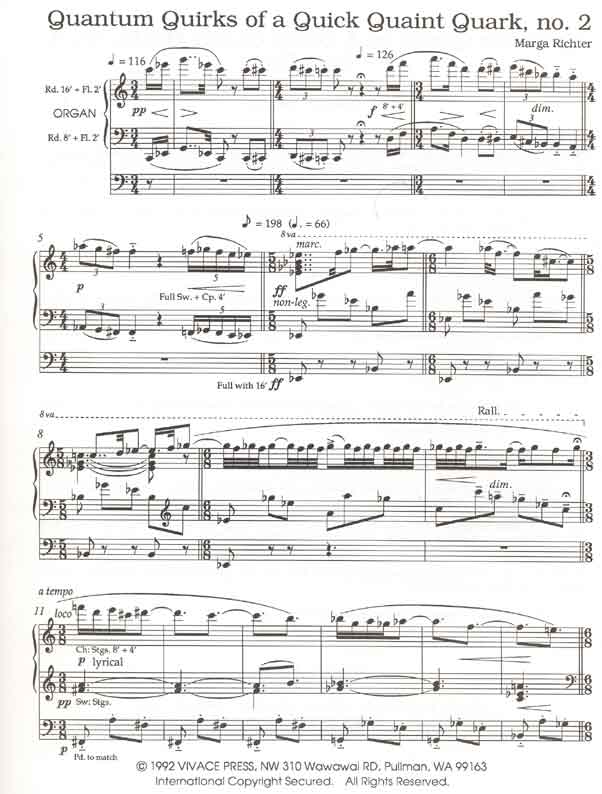
Hills and Quantum Quirks of a Quick Quaint Quark, MMC). In
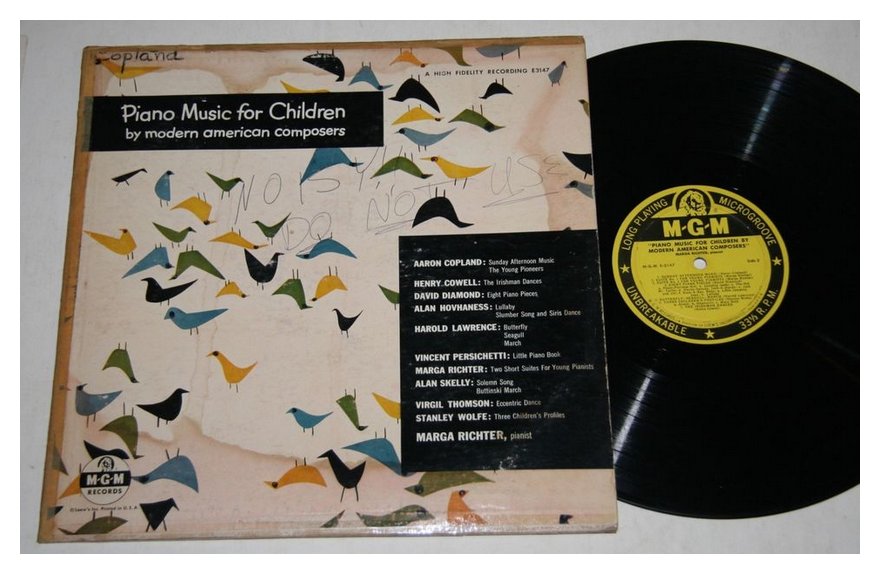
addition, her music has been released on M-G-M Records, Musical Heritage,
Gasparo and Grenadilla.
Marga Richter was born on October 21, 1926 in Reedsburg, Wisconsin, and
received her early musical training in Minneapolis, Minnesota. She earned
her Bachelors and Masters Degrees from the Juilliard School, where she majored
in piano with Rosalyn Tureck, and composition with William Bergsma and Vincent Persichetti.
Her music has been played by more than fifty orchestras, including the Atlanta
and Milwaukee Symphonies, the Minnesota Orchestra and the Buffalo Philharmonic,
and recorded by the London Philharmonic Orchestra (Blackberry Vines and
Winter Fruit, Leonarda LE331), the Seattle Symphony (Out of Shadows
and Solitude, MMC-Master Musicians Collective), and the Czech Radio Symphony
Orchestra (Spectral Chimes/Enshrouded
Hills and Quantum Quirks of a Quick Quaint Quark, MMC). In
addition, her music has been released on M-G-M Records, Musical Heritage,
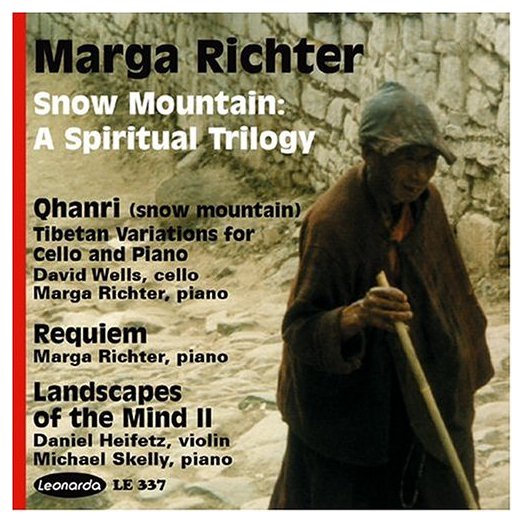
Gasparo and Grenadilla.One of her best-known works, the ballet Abyss, has been performed on five continents by the Harkness Ballet, which commissioned it, and by the Joffrey, Boston and Pennsylvania Ballets and other companies. Among the artists who have performed her music are soprano Jessye Norman, pianists Menahem Pressler, William Masselos and Natalie Hinderas, violist Walter Trampler and violinist Daniel Heifetz, who commissioned her Landscapes of the Mind II for violin and piano, which he included in his prize-winning Tchaikovsky Competition concert in Moscow and recorded for Leonarda (LE337). Richter's music is published by Carl Fischer, G. Schirmer, Broude Bros., Presser, Vivace and Shrewsbury Press. She has received grants, fellowships, commissions and awards from the National Endowment for the Arts, National Federation of Music Clubs, Martha Baird Rockefeller Fund, Meet The Composer and ASCAP. She is included in the Major Figures in American Music Oral History Series at Yale University, Women and Music in America Since 1900 – An Encyclopedia (selected as one of the best reference books of 2003 by Library Journal), The New Grove Dictionary [see my Interview with Editor Stanley Sadie] and Baker’s Biographical Dictionary [see my Interview with Editor Nicolas Slonimsky]. A doctoral thesis by You Ju Lee entitled Marga Richter: A Biographical Sketch and Study of Her Piano Works With Emphasis on Sonata for Piano was published by the University of Georgia Press in 2000. With Herbert Deutsch, she co-founded the Long Island Composers Alliance
in 1972 and has, at various times, served as its co-director, president and
vice-president. -- Throughout this webpage, names which are links
refer to my Interviews elsewhere on this website. BD
|
 BD
BD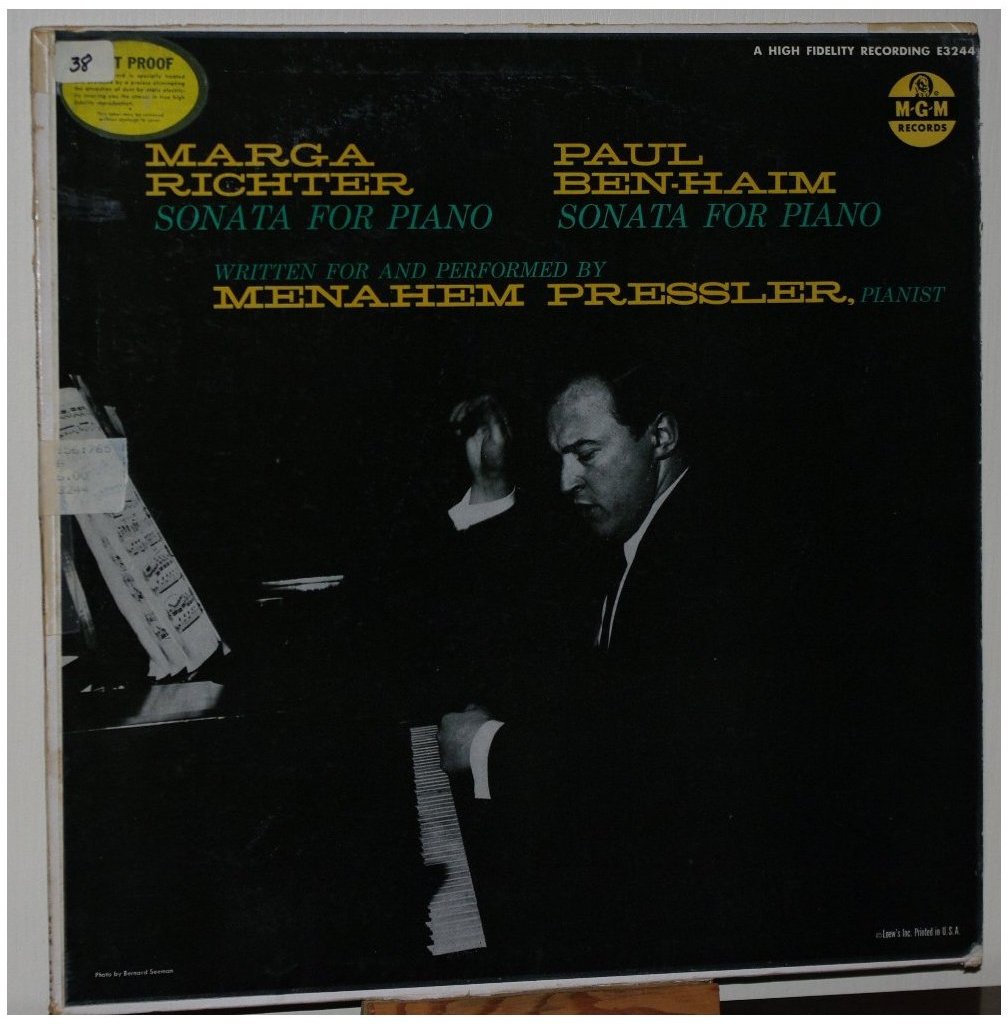

 BD
BD